-

Noark
Ex9R100B65A
Thermal Overload Relay (48-65 Amps)
$112.99 -

Noark
Ex9R100B70A
Thermal Overload Relay (55-70 Amps)
$67.49 -

Noark
Ex9R100B80A
Thermal Overload Relay (63-80 Amps)
$97.99 -

Noark
Ex9R12B0.16A
Thermal Overload Relay (0.1-0.16 Amps)
$34.98 -

Noark
Ex9R12B0.25A
Noark Thermal Overload Relay (0.16-0.25 Amps)
$26.24$29.16 -
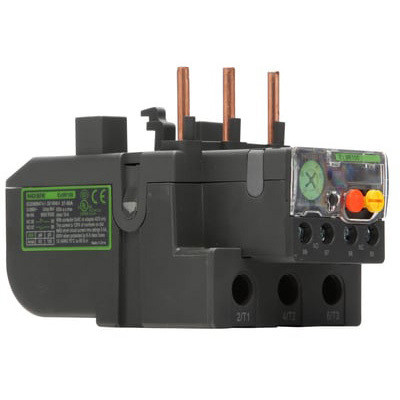
Noark
Ex9R12B0.4A
Thermal Overload Relay (0.25-0.4 Amps)
$34.98 -

Noark
Ex9R12B0.63A
Thermal Overload Relay (0.4 - 0.63 Amps)
$39.99 -
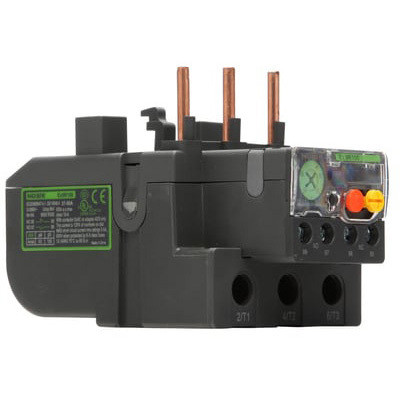
Noark
Ex9R12B1.6A
Thermal Overload Relay (1-1.6 Amps)
$29.73 -
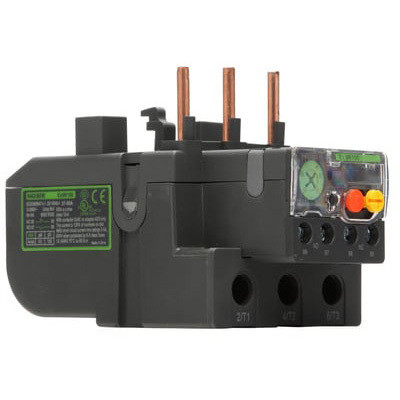
Noark
Ex9R12B10A
Thermal Overload Relay (7-10 Amps)
$26.24 -

Noark
Ex9R12B12A
Noark Thermal Overload Relay (9-12 Amps)
$39.99 -

Noark
Ex9R12B1A
Thermal Overload Relay (0.63-1 Amps)
$34.98 -

Noark
Ex9R12B2.5A
Thermal Overload Relay (1.6-2.5 Amps)
$29.73 -

Noark
Ex9R12B4A
Thermal Overload Relay (2.5-4 Amps)
$34.98 -
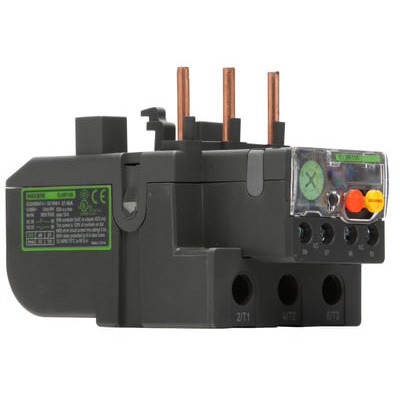
Noark
Ex9R12B6A
Thermal Overload Relay (2.5 - 4 Amps)
$39.99 -

Noark
Ex9R12B8A
Thermal Overload Relay (5.5-8 Amps)
$39.99 -
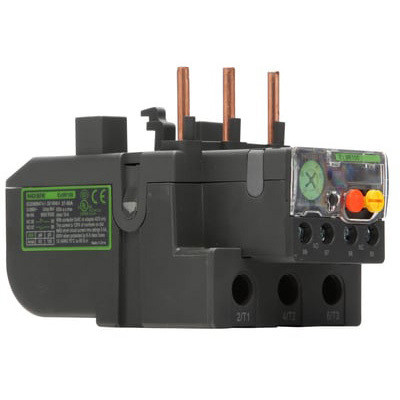
Noark
Ex9R185B115A
Thermal Overload Relay (75-115 Amps)
$227.62 -
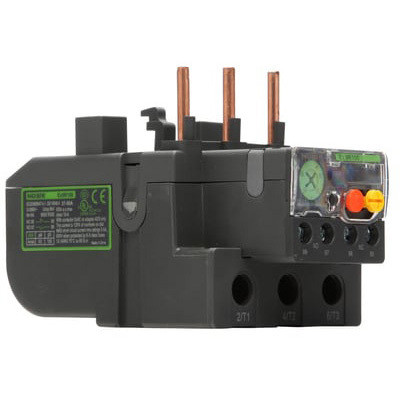
Noark
Ex9R185B150A
Noark Thermal Overload Relay (110-150 Amps)
$303.49 -
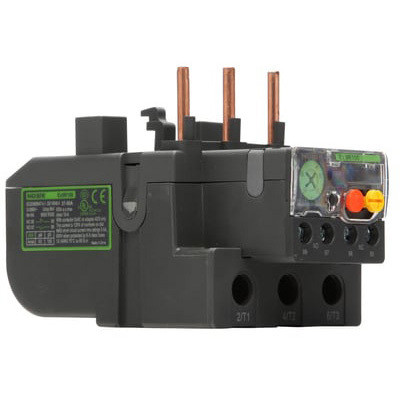
Noark
Ex9R185B210A
Thermal Overload Relay (140-210 Amps)
$303.49 -

Noark
Ex9R38B1.6A
Noark Thermal Overload Relay (1-1.6 Amps)
$51.44$57.15 -
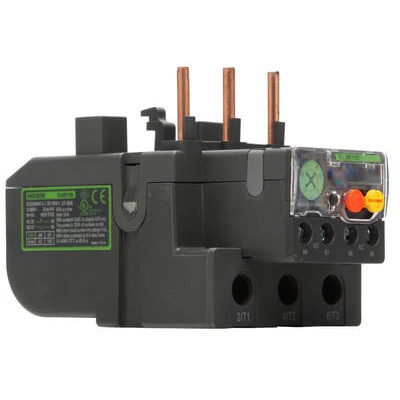
Noark
Ex9R38B10A
Noark Thermal Overload Relay (7-10 Amps)
$51.44$57.15 -

Noark
Ex9R38B13A
Thermal Overload Relay (9-13 Amps)
$77.99 -

Noark
Ex9R38B1A
Thermal Overload Relay (0.63-1 Amps)
$51.44 -

Noark
Ex9R38B24A
Thermal Overload Relay (16-24 Amps)
$51.44$57.15 -
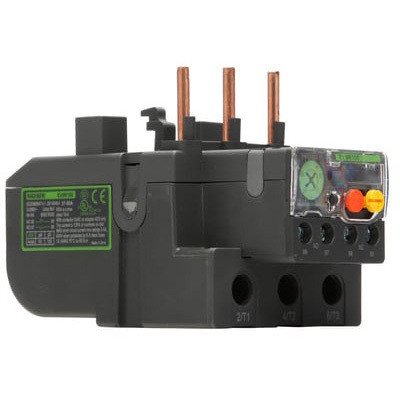
Noark
Ex9R38B38A
Noark Thermal Overload Relay (30-38 Amps)
$51.44$57.15 -
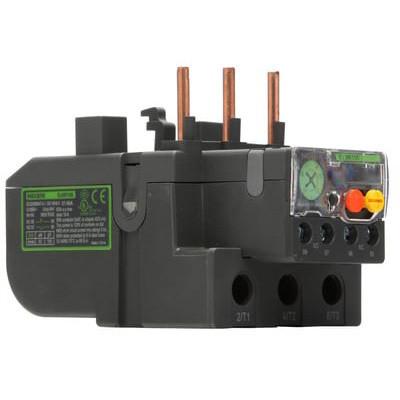
Noark
Ex9R38B4A
Thermal Overload Relay (2.5-4 Amps)
$77.99 -

Noark
Ex9R38B6A
Thermal Overload Relay (4-6 Amps)
$51.44$57.15 -
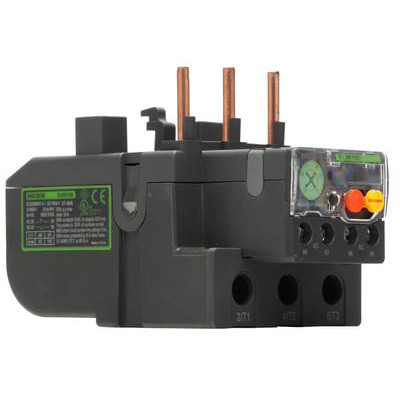
Noark
Ex9R38B8A
Noark Thermal Overload Relay (5.5-8 Amps)
$51.44$57.15 -

Noark
Ex9R500B225A
Thermal Overload Relay (160-225 Amps)
$929.77
Thermal and Electronic Overload Relays
What Is an Overload Relay?
An overload relay is a motor protection device that monitors the current drawn by a motor and disconnects it when that current stays above a set level for long enough to cause damage. It protects against sustained overload, phase loss, and current imbalance, all of which cause a motor to overheat. An overload relay does not provide short-circuit protection, which is handled separately by fuses or a circuit breaker.
Protect your motors from overcurrent and overheating with Eaton, ABB, WEG and Noark overload relays. Available in thermal and electronic options, our relays provide reliable motor protection for a variety of applications, including pumps, conveyors, and HVAC systems. Ensure your operations run smoothly and safely with the right motor protection solution from Wistex.
Overload Relays We Offer
Wistex offers a full range of overload relays designed to protect motors from overheating, phase loss, and excessive current. Whether you need thermal or electronic protection, we provide reliable solutions for industrial applications across manufacturing, pumping, and HVAC systems.

Thermal Overload Relays
Thermal overload relays use a bimetallic strip that reacts to heat generated by excess current. As the strip bends, it pushes a mechanical trip bar that changes the state of the relay’s internal contacts, opening the control circuit and dropping out the contactor that feeds the motor.
Electronic Overload Relays
Electronic overload relays use digital sensors to detect current surges with greater precision and speed. They offer adjustable settings, diagnostics, and advanced features like phase failure detection. Electronic relays are well-suited for applications requiring flexible, programmable motor protection and integration with control systems.
Trip class defines how long a relay will carry six times its rated current before tripping. Class 10 trips within ten seconds and suits standard motors; Class 20 within twenty seconds where starting takes longer; and Class 30 within thirty seconds for high-inertia loads such as large fans. Electronic relays use the equivalent 10E, 20E, and 30E designations.
Because sensing does not depend on a heated metal strip, electronic relays are less prone to false trips when the ambient temperature inside the enclosure changes.

Parts of a Thermal Overload Relay
A thermal overload relay has a current adjustment dial set to the motor’s full-load amperage. Its normally closed contacts, numbered 95 and 96, wire in series with the contactor coil, so a trip drops out the contactor. The normally open contacts, 97 and 98, signal an alarm or indicator light. A separate selector sets manual or automatic reset once the bimetallic strip cools.
Why Does an Overload Relay Keep Tripping?
Repeated tripping usually indicates a condition in the motor or the driven load rather than a faulty relay. The most common causes are a mechanical jam or increased load, a current dial set below the motor’s full-load amperage, phase loss or voltage imbalance on the supply, high ambient temperature inside the enclosure, and a trip class too short for the motor’s acceleration time.
Applications for Overload Relays
Our overload relays are ideal for:
- Motor protection for water pumps and industrial fans
- Conveyor belt systems in manufacturing
- HVAC system compressors and blower motors
Complete your motor control system with contactors and soft starters.
Why Choose Wistex for Overload Relays & Motor Protection
Protect your investments with overload relays from Wistex. Our selection of thermal and electronic overload relays from ABB provides vital protection against overcurrent, phase failure, and overheating — essential for industries like manufacturing, pumping, and HVAC.
Why choose Wistex for overload relays?
- Specialized expertise in motor protection and system design
- In-stock options for fast shipping when downtime isn’t an option
- Top brands like ABB for unmatched reliability
- Support beyond the sale — helping you with setup, replacement, and scaling needs
Keep your motors safe and your business moving forward with overload relays from Wistex.
FAQs about Overload Relays
Understand how overload relays protect your motors and improve operational reliability.
Overload relays detect excessive current flowing through a motor circuit. If the current exceeds a preset level for too long (indicating a jam, blockage, or overload), the relay trips to disconnect the motor, preventing overheating and mechanical damage.
Thermal overload relays use a mechanical bimetallic strip that bends when heated by excess current. Electronic overload relays use sensors and processors for faster, more precise detection of overload conditions, often with more flexible setting options.
Replace an overload relay if it trips frequently without valid cause, shows inconsistent operation, suffers visible damage, or if the protected motor has been upgraded to a higher horsepower. Routine inspection during maintenance can help catch early signs of failure.