-

ABB
1SVR550110R2100
Ct-Ahe Off-Delay Timer 110V 3-300S
$73.75$197.93 -

ABB
1SVR550110R4100
Ct-Ahe Time Relay Off-Delay
-

ABB
1SVR550111R1100
Ct-Ahe Time Relay Off-Delay
-
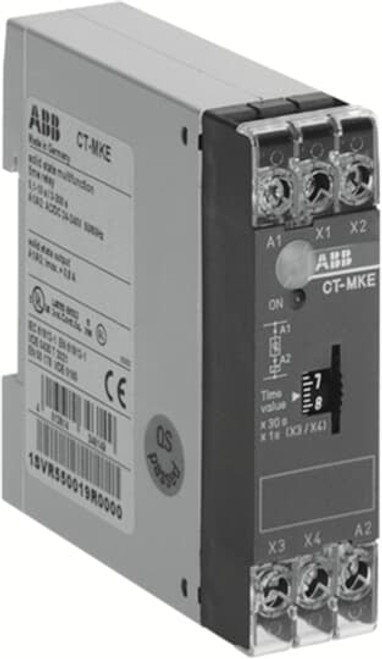
ABB
1SVR550111R2100
Ct-Ahe Off-Delay Timer 220V 3-300S
-

ABB
1SVR550111R4100
Ct-Ahe Time Relay Off-Delay
-
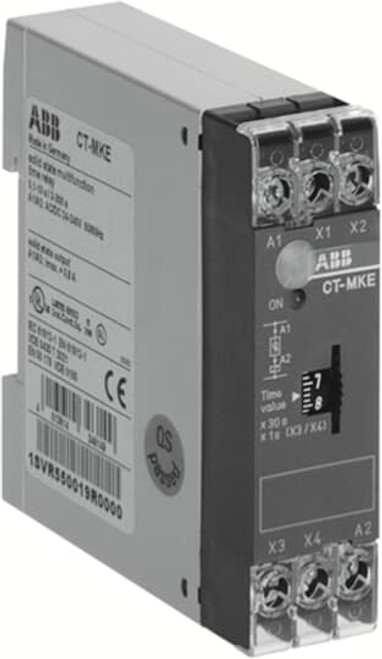
ABB
1SVR550118R1100
Ct-Ahe Off-Delay Tmr 24V 0.1-10S
-
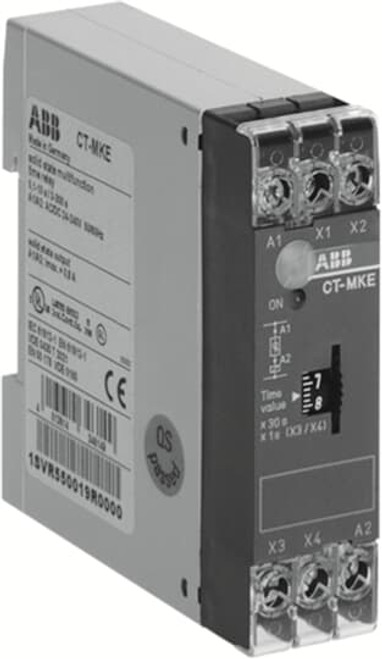
ABB
1SVR550118R2100
Ct-Ahe Off-Delay Tmr 24V 3-300S
-
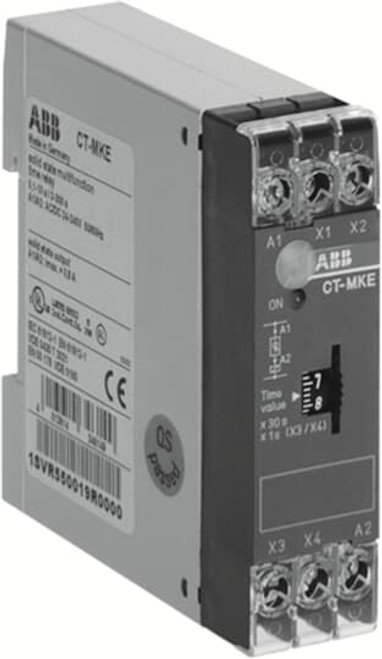
ABB
1SVR550118R4100
Ct-Ahe Off-Delay Tmr 24V 0.3-30S
-

ABB
1SVR550127R1100
Ct-Are Off-Delay 24V 220V 0.1-10S
$82.78$171.65 -
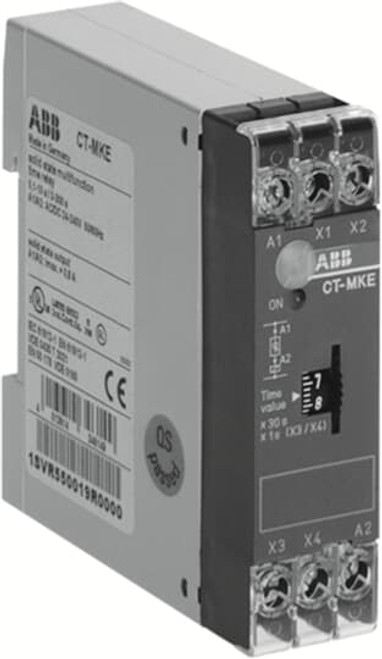
ABB
1SVR550130R1100
Ct-Vwe Imp-On Timer 110V 0.1-10S
-
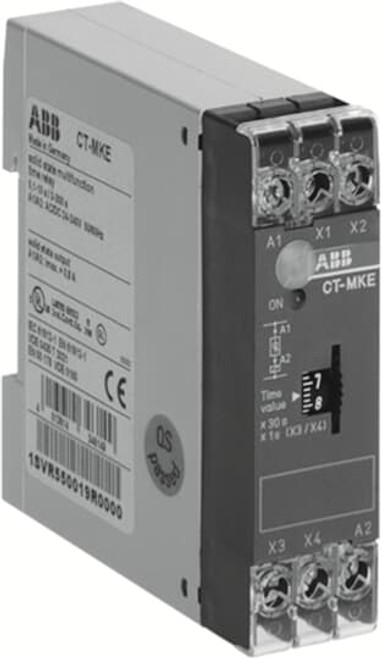
ABB
1SVR550130R2100
Ct-Vwe Time Relay Impulse-On
-
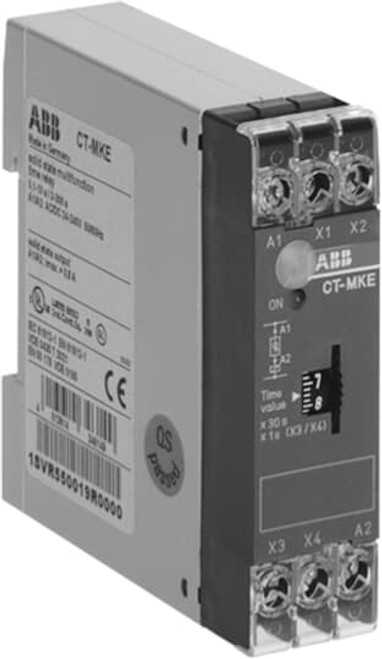
ABB
1SVR550130R4100
Ct-Vwe Time Relay Impulse-On
-
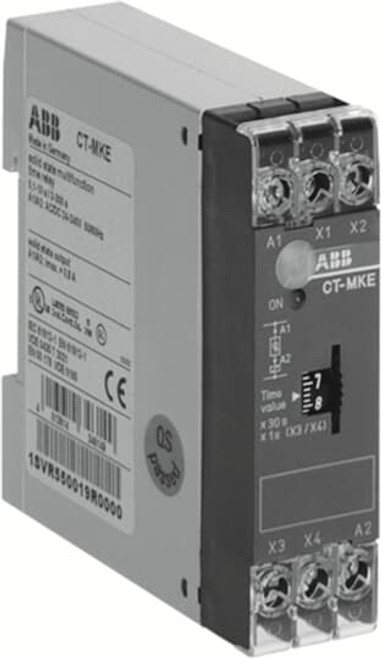
ABB
1SVR550137R1100
Ct-Vwe Time Relay Impulse-On
-
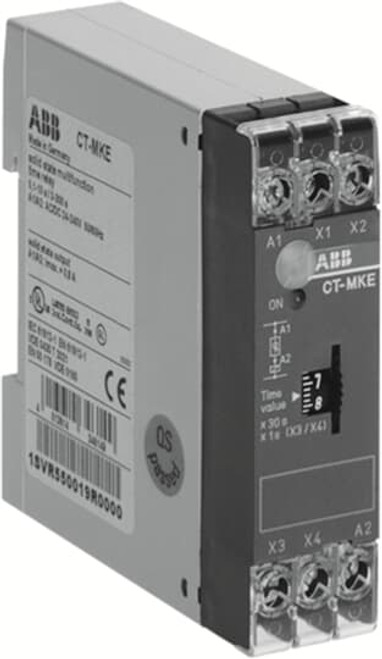
ABB
1SVR550137R2100
Ct-Vwe Time Relay Impulse-On
-
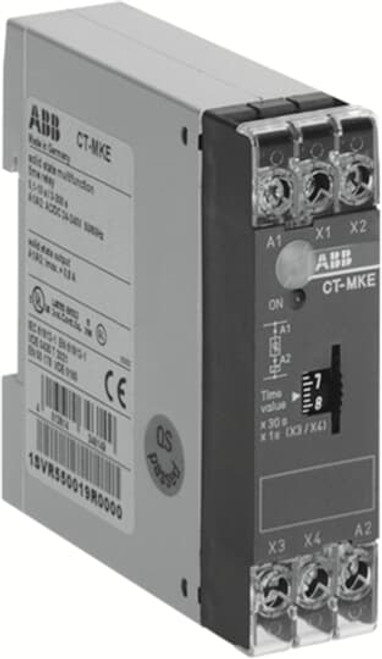
ABB
1SVR550137R4100
Ct-Vwe Time Relay Impulse-On
-
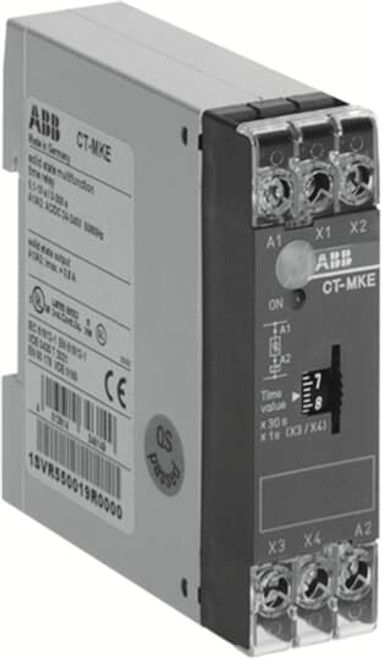
ABB
1SVR550141R1100
Ct-Awe Time Relay Impulse-Off
-
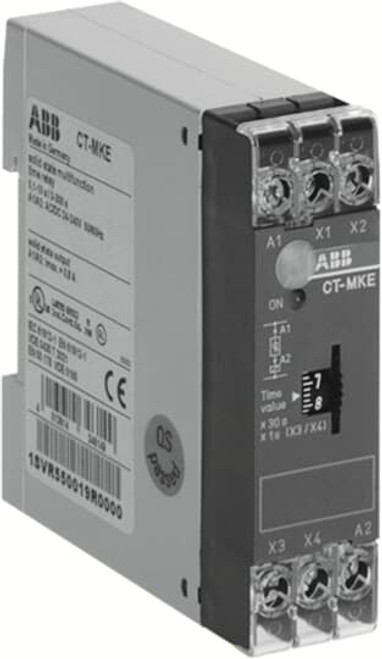
ABB
1SVR550141R2100
Ct-Awe Imp-Off Timer 220V 3-300S
-
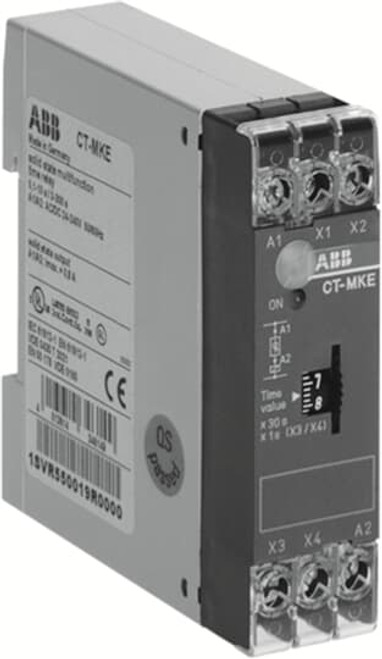
ABB
1SVR550148R1100
Ct-Awe Time Relay Impulse-Off
-
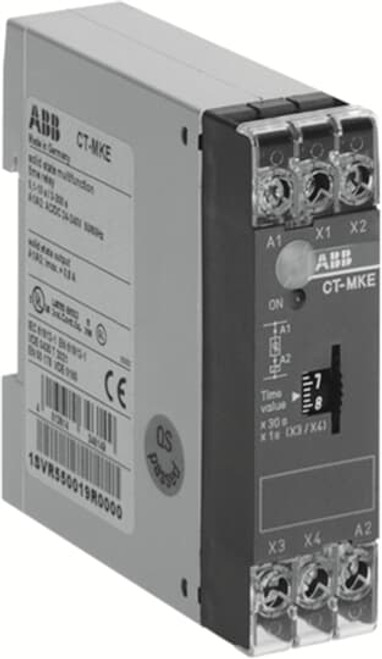
ABB
1SVR550148R2100
Ct-Awe Time Relay Impulse-Off
-
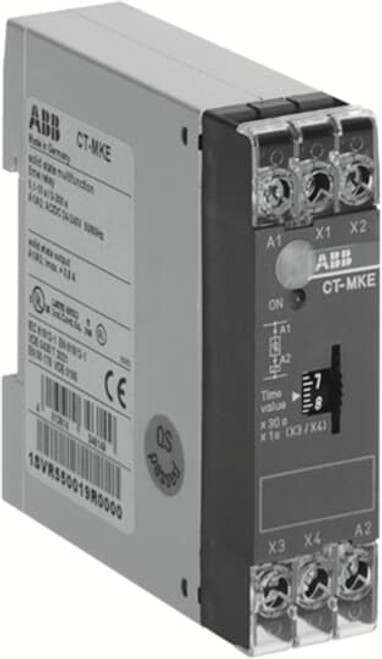
ABB
1SVR550148R4100
Ct-Awe Time Relay Impulse-Off
-
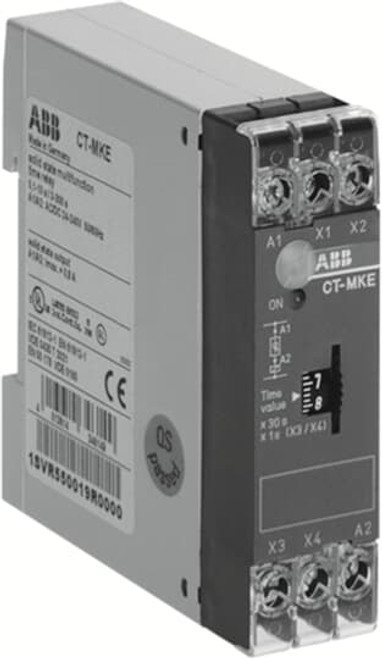
ABB
1SVR550150R3100
Ct-Awe Time Relay Impulse-Off
-
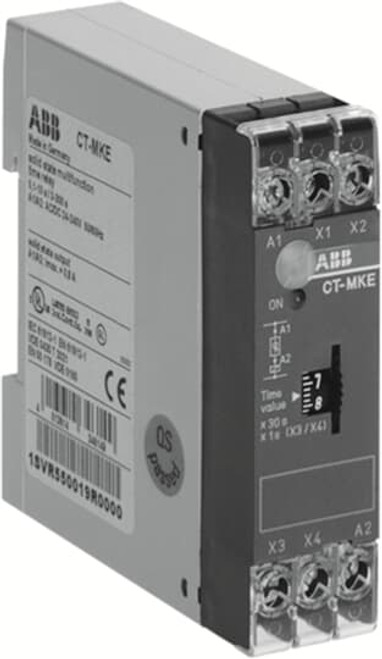
ABB
1SVR550151R3100
Ct-Awe Time Relay Impulse-Off
-

ABB
1SVR550158R3100
Ct-Awe Impulse-Off Tmr 24V 0.05-1S
-
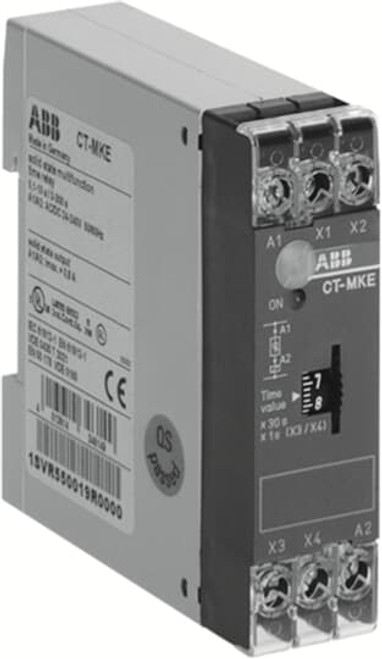
ABB
1SVR550160R1100
Ct-Ebe Flasher Timer 110V 0.1-10S
-
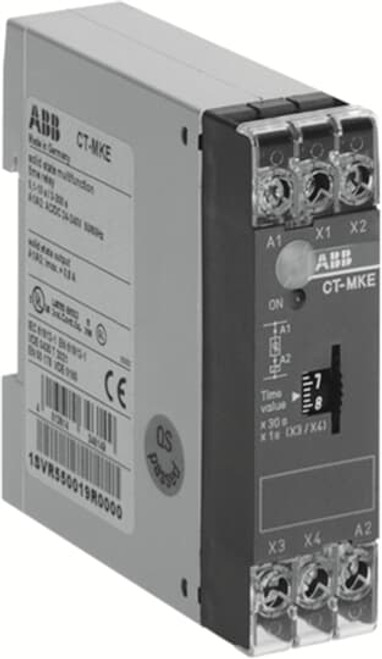
ABB
1SVR550167R1100
Ct-Ebe Time Relay Flasher
-

ABB
1SVR550200R1100
Ct-Yde Time Relay Star-Delta
-

ABB
1SVR550200R2100
Ct-Yde Time Relay Star-Delta
-
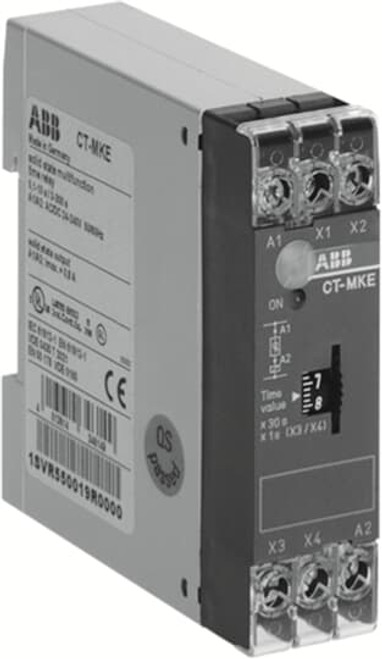
ABB
1SVR550200R4100
Ct-Yde Timer 110V 1C/O 0.3-30S
Electrical Relays
Main Characteristics of WEG Overload Relays
WEG overload relays are available in both three-pole and two-pole versions. The relays count on two independent and extremely reliable built-in auxiliary contacts (12 V, 10 mA). When properly wired in series with the contactor coil, the auxiliary contacts assure the motor is switched off whenever a failure occurs, but it can also be used for system monitoring purposes.
On the front side, the relay features a RESET pushbutton and a TEST switch, which both function to allow checking proper wiring and the auxiliary contact’s status. The front side also contains a status window (TRIP) that shows the current operation status of the relay.
WEG Solid-State Vs Thermal (Bimetallic) Overload Relays
Traditional thermal overload relays are designed to imitate the heat actually produced in the motor. They effectively simulate the motor heating by passing the motor current through bimetal strips, either directly or indirectly. As the motor temperature rises, the temperature of the thermal unit of the relay similarly rises. The generated heat then bends the bimetal strips and, based on the current setting of the relay, activates the trip mechanism.
In most normal applications, continuous duty or low number of motor start-ups are common. In such situations, the relationship between motor and relay heating curves is very strong. No matter how high the current taken by the motor is, a thermal overload relay will provide protection without tripping unnecessarily.
However, in intermittent duty applications or frequent motor start-ups, the increase in heating behaves slightly differently in the bimetal strip than in the motor windings, so it’s common to experience undesired early tripping. In such situations, you can rarely utilize the thermal capacity of the motor, and thermal overload relays may not be the most suitable solution.
Applications of WEG Overload Relays
WEG overload relays are designed to protect both three-phase and single-phase AC motors, as well as DC motors. In applications where WEG overload relays are used in the protection of single-phase AC or DC loads, be sure to follow the wiring diagrams presented by the manufacturer.
Overall, WEG solid-state overload relays are suitable for protecting motors in a wide range of industrial applications, including those where prolonged starting time is required. WEG relays can effectively protect motors on low, medium, or heavy-duty applications by simply selecting the proper trip class (such as 10, 20, or 30 as per the IEC 60947-4-1 requirements) in the DIP-switches.
Additionally, the micro-processed electronic circuits of WEG overload relays are temperature compensated, which means that the tripping point remains steady in the entire temperature range of between -20 °C and +60 °C, and it performs consistently without unnecessary tripping.