-
Littelfuse
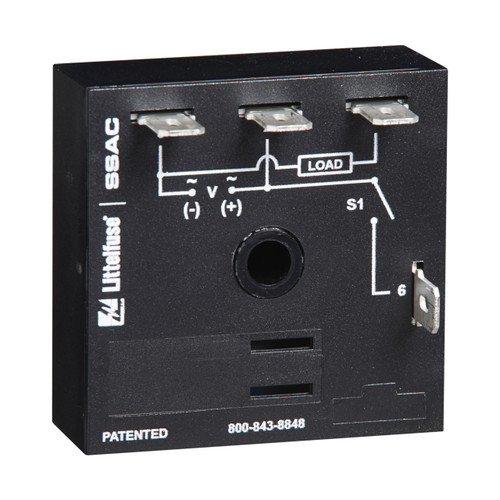
KSDS1115SP
Digital Single Shot Timer
$150.13 -

Littelfuse
KSDS230
Digital Single Shot Timer
$150.13 -

Littelfuse
KSDS320P
Digital Single Shot Timer
$150.13 -

Littelfuse
KSDS415M
Digital Single Shot Timer
$150.13 -

Littelfuse
KSDS420
Digital Single Shot Timer
$150.13 -

Littelfuse
KSDU811200
Solid State Timer (D.O.M.)
$150.13 -
Littelfuse
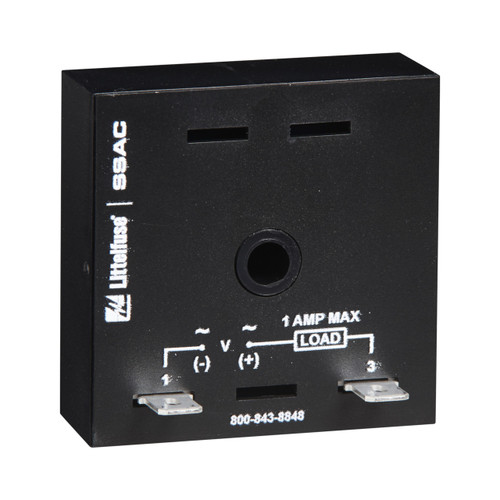
KSDU8120
Solid State Timer (D.O.M.)
$150.13 -

Littelfuse
KSPDA2222RXE
Programmable Timer
$199.42 -

Littelfuse
KSPDP110M18SRXE
Timer-Recycle 12-120Vdc
$199.42 -

Littelfuse
KSPS2180SB
Programmable Timer
$179.28 -
Littelfuse
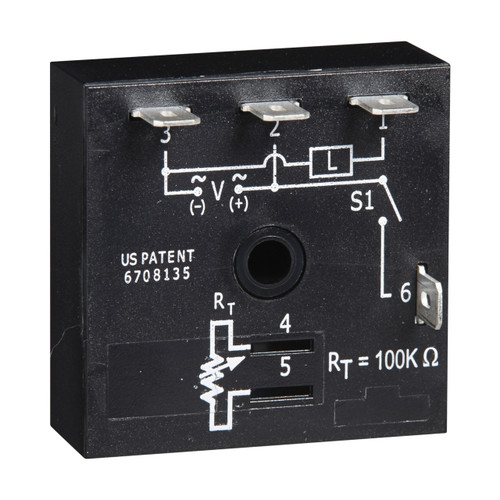
KSPSA21FT
Programmable Timer
$179.28 -

Littelfuse
KSPSN13MI
Programmable Timer
$179.28 -

Littelfuse
KSPSN21B
Programmable Timer
$179.28 -

Littelfuse
KSPSP145SM
Programmble Timer
$179.28 -

Littelfuse
KSPSP22B
Programmable Timer
$179.28 -
Littelfuse
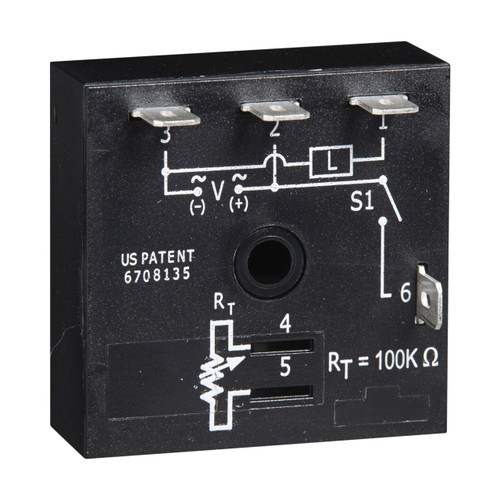
KSPSP35PSD
Timer-Singleshot-Motiondetect
$179.28 -

Littelfuse
KSPUA2I
Dip Switch Set Programma Cube
$218.84 -

Littelfuse
KSPUA8C
Dip Switch Set Programma Cube
$218.84 -

Littelfuse
KVM4
Single Phase Voltage Monitor
$244.37 -

Littelfuse
KVM6
Single Phase Voltage Monitor
$244.37 -

Littelfuse
LCS10T12
Ac Current Sensor
$55.35$77.62 -

Littelfuse
LCSC10T12
Calibrated Current Sensor
$189.20 -
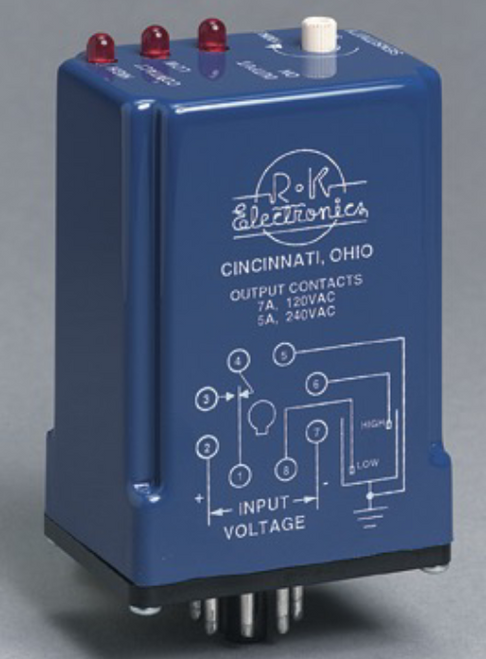
RK Electronics
LLA-120A
High/Low Level Alarm, 120VAC, 8-Pin Base
$127.06$180.00 -
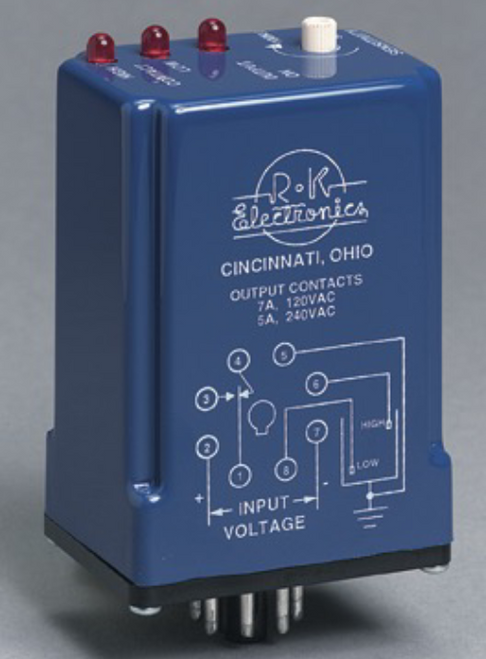
RK Electronics
LLA-240A
High/Low Level Alarm, 240VAC, 8-Pin Base
$127.06$180.00 -

RK Electronics
LLA-24A
High/Low Level Alarm, 24VAC, 8-Pin Base
$127.06$180.00 -
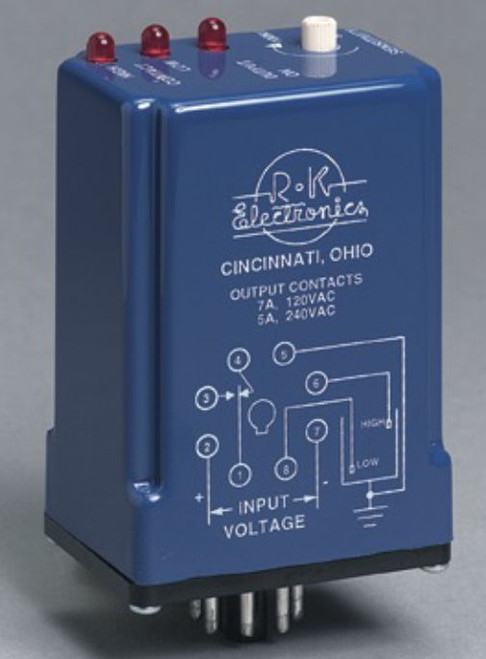
RK Electronics
LLC-120A
2-NC Input Liquid Level 120VAC 8-Pin
$127.06$180.00 -
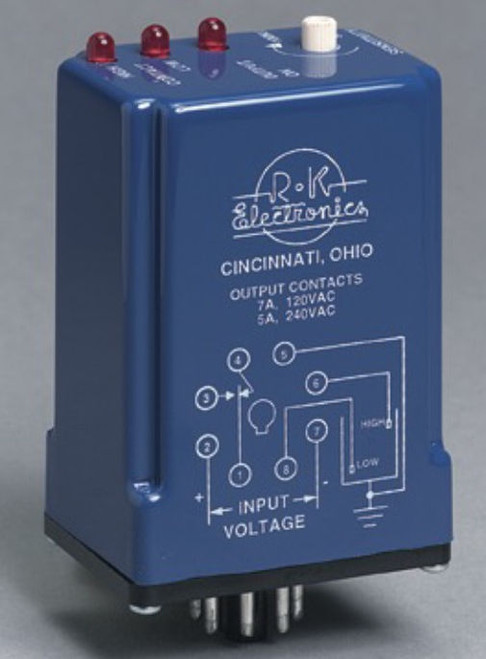
RK Electronics
LLC-120A-2001
-REPLACED BY CLR-120A-2001
$127.06$180.00 -
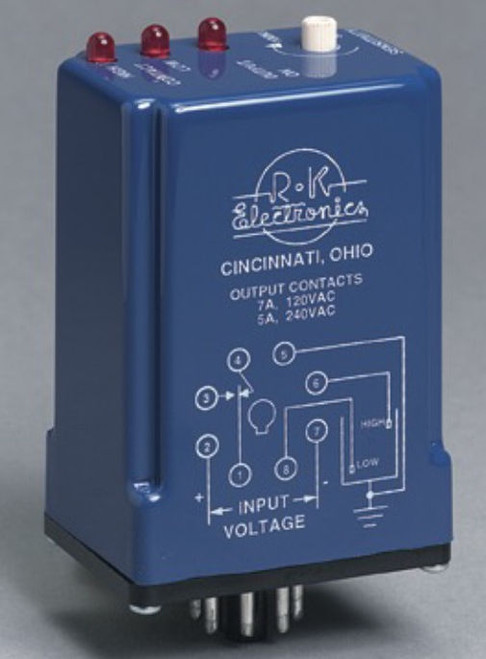
RK Electronics
LLC-12A
2-NC Input Liquid Level Ctrl 12VAC 8-Pin
$127.06$180.00
Electrical Relays
Main Characteristics of WEG Overload Relays
WEG overload relays are available in both three-pole and two-pole versions. The relays count on two independent and extremely reliable built-in auxiliary contacts (12 V, 10 mA). When properly wired in series with the contactor coil, the auxiliary contacts assure the motor is switched off whenever a failure occurs, but it can also be used for system monitoring purposes.
On the front side, the relay features a RESET pushbutton and a TEST switch, which both function to allow checking proper wiring and the auxiliary contact’s status. The front side also contains a status window (TRIP) that shows the current operation status of the relay.
WEG Solid-State Vs Thermal (Bimetallic) Overload Relays
Traditional thermal overload relays are designed to imitate the heat actually produced in the motor. They effectively simulate the motor heating by passing the motor current through bimetal strips, either directly or indirectly. As the motor temperature rises, the temperature of the thermal unit of the relay similarly rises. The generated heat then bends the bimetal strips and, based on the current setting of the relay, activates the trip mechanism.
In most normal applications, continuous duty or low number of motor start-ups are common. In such situations, the relationship between motor and relay heating curves is very strong. No matter how high the current taken by the motor is, a thermal overload relay will provide protection without tripping unnecessarily.
However, in intermittent duty applications or frequent motor start-ups, the increase in heating behaves slightly differently in the bimetal strip than in the motor windings, so it’s common to experience undesired early tripping. In such situations, you can rarely utilize the thermal capacity of the motor, and thermal overload relays may not be the most suitable solution.
Applications of WEG Overload Relays
WEG overload relays are designed to protect both three-phase and single-phase AC motors, as well as DC motors. In applications where WEG overload relays are used in the protection of single-phase AC or DC loads, be sure to follow the wiring diagrams presented by the manufacturer.
Overall, WEG solid-state overload relays are suitable for protecting motors in a wide range of industrial applications, including those where prolonged starting time is required. WEG relays can effectively protect motors on low, medium, or heavy-duty applications by simply selecting the proper trip class (such as 10, 20, or 30 as per the IEC 60947-4-1 requirements) in the DIP-switches.
Additionally, the micro-processed electronic circuits of WEG overload relays are temperature compensated, which means that the tripping point remains steady in the entire temperature range of between -20 °C and +60 °C, and it performs consistently without unnecessary tripping.